
Facility Consumables Supply in Leeds: What Businesses Need
Ensuring a reliable and compliant supply of facility consumables in Leeds is a vital component for businesses, commercial property managers, and operations leaders seeking to maintain efficient, safe, and hygienic environments. From cleaning supplies Leeds providers offer to hygiene consumables across the UK, the right facility supplies underpin operational continuity and regulatory adherence. This article explores the key aspects UK businesses must understand when sourcing and managing facility consumables, highlighting compliance frameworks, operational best practices, and strategic considerations for Leeds-based enterprises.
Understanding Facility Consumables in Leeds: Definitions and Relevance
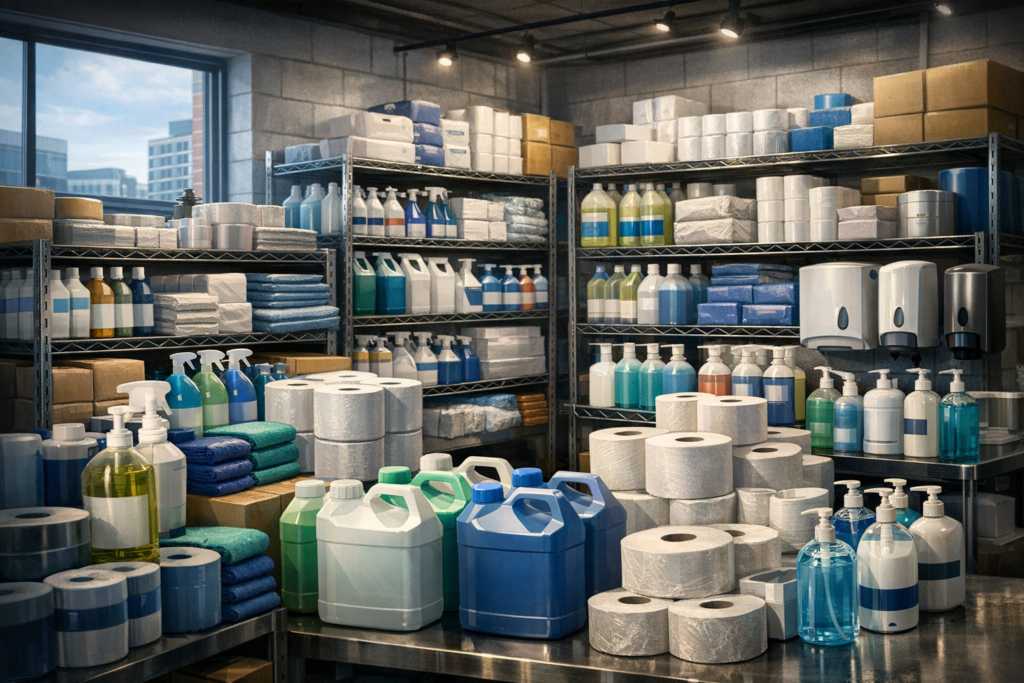
Facility consumables encompass a broad range of products used in the day-to-day maintenance and operation of commercial and public buildings. These include cleaning supplies, hygiene consumables such as washroom supplies, janitorial products, and bulk supplies essential for ongoing facility management tasks.
For businesses in Leeds, these consumables are integral to:
- Maintaining workplace hygiene and safety
- Ensuring compliance with UK regulations such as COSHH and the Health & Safety at Work Act 1974
- Supporting security and property services through clean, orderly environments
- Facilitating waste management and environmental stewardship
The availability and quality of these supplies directly impact operational efficiency, staff wellbeing, and customer satisfaction, making their management a strategic priority.
The UK Industry and Compliance Landscape for Facility Consumables
Regulatory Requirements
Facility consumables supply in Leeds must comply with several UK-specific regulatory frameworks, including:
- Health & Safety at Work Act 1974: Mandates employers to maintain safe working environments, which extends to the provision and use of appropriate cleaning and hygiene products.
- COSHH (Control of Substances Hazardous to Health) Regulations: Requires risk assessment and control measures for hazardous cleaning chemicals and janitorial substances.
- Workplace (Health, Safety & Welfare) Regulations: Address standards for workplace hygiene, including availability and maintenance of washroom supplies.
- Duty of Care under Waste Regulations: Obligates businesses to ensure waste, including used consumables, is managed responsibly to prevent environmental harm.
- Environmental Protection Act 1990: Governs the handling and disposal of waste materials, influencing selection and management of consumables to minimise environmental impact.
Operational Challenges
Businesses face challenges such as:
- Ensuring uninterrupted supply chains for bulk supplies Leeds operations require
- Balancing cost efficiency with quality and compliance
- Managing inventory to prevent wastage and stockouts
- Training staff on safe handling and usage of cleaning supplies UK standards demand
- Keeping up with evolving environmental and hygiene compliance mandates
Core Benefits and Use Cases of Facility Consumables Supply
Benefits
- Risk Reduction: Proper facility consumables reduce slip hazards, contamination risks, and infection spread.
- Compliance Assurance: Using certified cleaning and hygiene products supports regulatory adherence.
- Operational Continuity: Consistent supply prevents disruptions in cleaning, security, and maintenance workflows.
- Cost Efficiency: Bulk supplies Leeds businesses procure offer economies of scale and reduce procurement overheads.
Use Cases by Industry
| Industry | Consumable Needs | Operational Impact |
|---|---|---|
| Retail | Cleaning supplies Leeds, hygiene consumables UK | Maintain customer-facing areas, comply with hygiene standards |
| Construction | Janitorial products UK, bulk supplies Leeds | Site cleanliness, dust control, safety compliance |
| Corporate | Washroom supplies UK, cleaning supplies Leeds | Employee wellbeing, professional environment standards |
| Healthcare | Hygiene consumables UK, disinfectants | Infection control, strict regulatory adherence |
Operational Workflows
Effective management of facility consumables involves:
- Assessment of Needs: Regular evaluation of usage patterns and stock levels.
- Supplier Selection: Choosing providers compliant with UK standards (e.g., BICSc for cleaning services).
- Inventory Management: Implementing systems for tracking and replenishment.
- Staff Training: Ensuring personnel understand proper handling and health & safety protocols.
- Compliance Audits: Periodic reviews to verify adherence to regulations and internal policies.
Challenges and Mitigation Strategies
| Challenge | Mitigation Approach |
|---|---|
| Supply chain disruptions | Establish multiple suppliers, maintain safety stock |
| Compliance with COSHH and H&S Act | Regular training, updated safety data sheets (SDS) |
| Waste management and environmental impact | Adopt sustainable product choices, monitor waste streams |
| Cost pressures | Bulk purchasing, demand forecasting |
Importance of Facility Consumables Supply for UK Businesses
Risk Reduction
Proper facility consumables minimise health hazards and maintain workplace safety, reducing incidents and liabilities under UK law.
Compliance Assurance
Aligning consumable selection with standards like COSHH and BICSc helps businesses pass inspections and avoid fines.
Operational Continuity
Reliable supply chains prevent interruptions in cleaning and maintenance, supporting consistent service delivery.
Cost Efficiency
Strategic procurement, including bulk supplies Leeds providers offer, enables cost savings while maintaining quality.
How to Choose the Right Facility Consumables Service Provider in Leeds
Key Evaluation Criteria
- Certification and Accreditation: Verification of compliance with relevant standards such as SIA for security-adjacent services, ISO for quality management, and BICSc for cleaning.
- Experience and Scalability: Ability to meet current and future volume demands across multiple sites.
- Technology and Reporting: Systems for order tracking, usage analytics, and compliance documentation.
- Local Presence: Proximity to Leeds for timely deliveries and responsive service.
Operational and Compliance Considerations
- Health & Safety: Providers must demonstrate robust safety protocols and staff training aligned with UK regulations.
- Environmental Responsibility: Commitment to sustainable products and waste reduction practices.
- Data Protection: If service includes digital reporting, adherence to GDPR is essential.
Common Misconceptions about Facility Consumables Supply
-
“All cleaning products are the same.”
Reality: Products vary widely in composition, efficacy, and compliance. Selecting certified supplies is crucial. -
“Bulk purchasing leads to wastage.”
Reality: With proper inventory management, bulk buying reduces costs without increasing waste. -
“Outsourcing consumables supply reduces control.”
Reality: Partnering with accredited suppliers enhances compliance and operational oversight. -
“Environmental products are less effective.”
Reality: Many eco-friendly consumables meet or exceed traditional product performance standards.
Frequently Asked Questions (FAQs)
Q1: What are facility consumables?
Facility consumables are products such as cleaning agents, hygiene items, washroom supplies, and janitorial tools used to maintain building operations and cleanliness.
Q2: Why is compliance important when sourcing consumables in Leeds?
Compliance ensures health and safety standards are met, reducing legal risks and supporting employee wellbeing under UK law.
Q3: How can businesses ensure continuous supply of cleaning supplies in Leeds?
By working with accredited local suppliers, maintaining accurate inventory, and planning procurement cycles aligned with operational needs.
Q4: Are eco-friendly hygiene consumables available in the UK market?
Yes, many suppliers offer environmentally sustainable products that comply with hygiene and safety regulations.
Q5: What certifications should I look for in a consumables supplier?
Look for BICSc accreditation for cleaning products, ISO certifications for quality, and SIA compliance if related to security services.
Q6: How does bulk purchasing benefit Leeds businesses?
Bulk purchasing reduces unit costs, lowers delivery frequency, and improves stock availability for operational continuity.
Q7: What are the emerging trends in facility consumables supply?
Trends include adoption of AI-driven inventory management, integrated service models, and increased focus on sustainability and ESG compliance.
Emerging Trends in UK Facilities and Security Industry Relevant to Consumables
- Technology Adoption: AI and automation streamline inventory management and predictive ordering, reducing stockouts and wastage.
- Integrated Service Models: Combining cleaning, security, and property maintenance services for cohesive operational management.
- Sustainability and ESG Focus: Increasing regulatory and market pressure to adopt environmentally responsible consumables and waste practices.
- Smart Monitoring Systems: Sensors and IoT devices monitor consumable usage in real time, enhancing efficiency and compliance.
Conclusion
Facility consumables supply in Leeds plays a foundational role in supporting UK businesses’ operational effectiveness, regulatory compliance, and workplace safety. Understanding the regulatory landscape, selecting accredited suppliers, and adopting best practices in inventory and waste management are essential steps. By aligning consumable procurement and management with industry standards and emerging trends, businesses can ensure continuity, reduce risks, and contribute to sustainable operations within the Leeds commercial environment.
For comprehensive facilities management strategies, including security, cleaning, property, and waste services, integrating facility consumables supply into an overall compliance and operational framework is indispensable.