
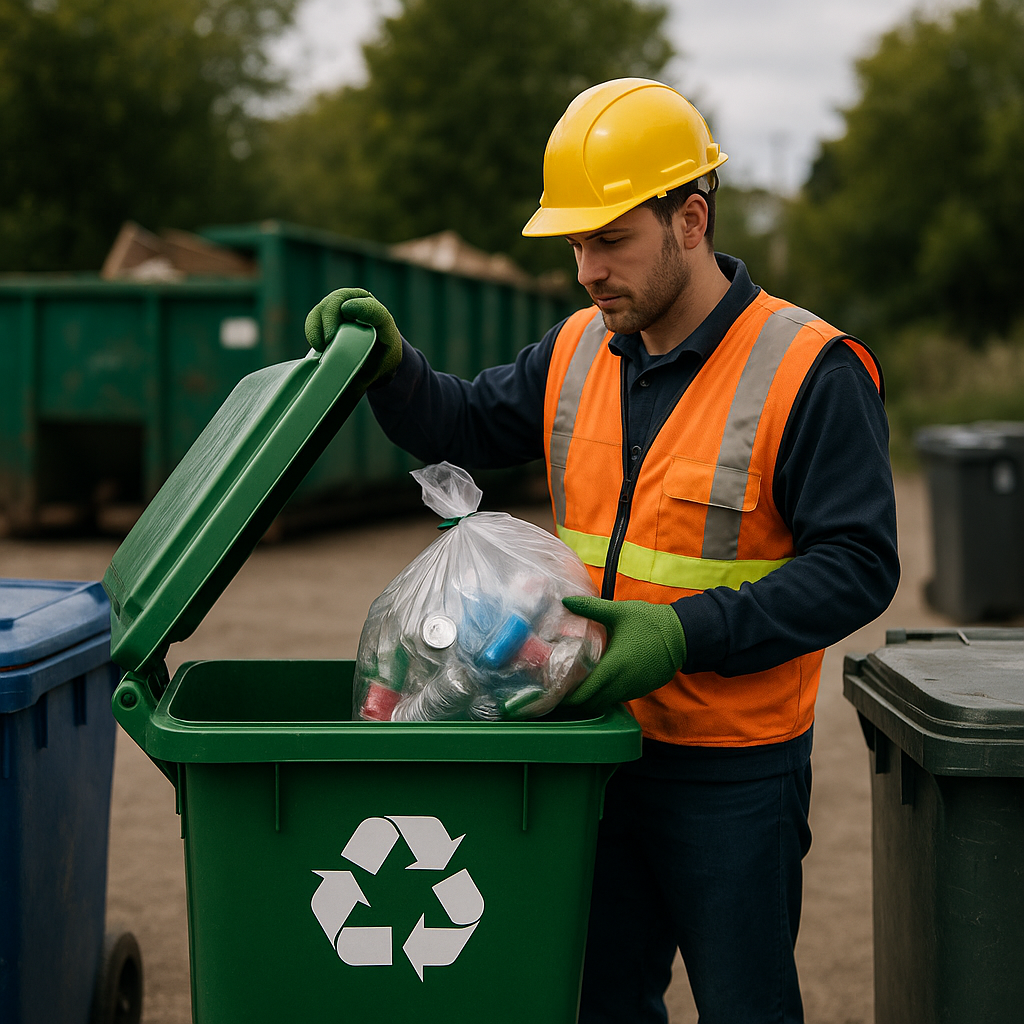
Recycling & Waste Disposal Solutions in Leeds
Proper waste disposal is a critical component of sustainable business operations, especially in urban centres like Leeds. For UK businesses and property managers, understanding waste disposal Leeds protocols, recycling Leeds initiatives, and eco waste UK regulations is essential to maintain compliance and support environmental goals.
Understanding Waste Disposal Leeds: Definitions and Relevance
Waste disposal in Leeds encompasses the collection, treatment, and recycling of commercial and industrial waste streams. It ensures that businesses adhere to the Environmental Protection Act 1990 and Duty of Care waste regulations, which mandate responsible handling and documentation of waste.
Recycling Leeds focuses on segregating recyclable materials such as paper, plastics, metals, and organic waste to reduce landfill use and promote circular economy principles. Eco waste UK initiatives further encourage environmentally friendly waste management practices across sectors.
For commercial property managers and facilities leaders, integrating these solutions supports regulatory compliance while enhancing operational efficiency and sustainability.
UK Industry & Compliance Landscape for Waste Services
Regulatory Requirements
UK businesses must comply with several key regulations:
- Environmental Protection Act 1990: Governs waste management, emphasizing safe disposal and pollution prevention.
- Duty of Care (Waste Regulations 2011): Requires businesses to take responsibility for their waste, including proper storage, transfer documentation, and authorised disposal.
- Health & Safety at Work Act 1974: Ensures safe handling practices to protect workers.
- COSHH Regulations: Manage risks associated with hazardous substances found in some waste streams.
Risk and Compliance Obligations
Non-compliance can result in significant fines, environmental damage, and reputational harm. Therefore, maintaining accurate waste transfer notes, conducting compliance audits, and engaging authorised waste carriers is crucial.
Operational Challenges
Businesses often face challenges such as waste segregation difficulties, fluctuating recycling markets, and managing hazardous waste safely. Adopting structured waste disposal Leeds strategies helps mitigate these issues.
Core Components of Effective Waste Disposal in Leeds
Benefits
- Regulatory Compliance: Avoids legal penalties.
- Environmental Impact Reduction: Minimises landfill and pollution.
- Cost Efficiency: Optimises waste handling and disposal costs.
- Enhanced Corporate Responsibility: Aligns with ESG commitments.
Use Cases by Industry
| Industry | Waste Disposal Needs | Recycling Leeds Focus |
|---|---|---|
| Retail | Packaging waste, food waste | Cardboard, plastics recycling |
| Construction | Construction debris, hazardous materials | Metal, concrete recycling |
| Corporate | Paper waste, electronic waste | Confidential shredding, e-waste |
| Healthcare | Clinical waste, pharmaceuticals | Specialist hazardous disposal |
Operational Workflows
- Waste Audit: Identify types and volumes of waste.
- Segregation: Separate recyclables, hazardous, and general waste.
- Storage: Use compliant containers and secure areas.
- Collection: Engage authorised waste carriers.
- Documentation: Maintain transfer notes and records.
- Recycling & Disposal: Process waste per regulatory and environmental standards.
Challenges & Mitigation
- Incorrect Segregation: Implement staff training and clear labelling.
- Non-compliant Carriers: Verify licences and certifications.
- Hazardous Waste Handling: Follow COSHH and use specialist contractors.
Importance of Waste Disposal for UK Businesses
Risk Reduction
Proper waste disposal reduces environmental, health, and legal risks.
Compliance Assurance
Aligns operations with UK regulations and audit requirements.
Operational Continuity
Avoids disruptions from enforcement actions or waste build-up.
Cost Efficiency
Optimises disposal costs through recycling and waste reduction.
How to Choose the Right Waste Disposal Service Provider
Key Evaluation Criteria
- Regulatory Compliance: Verify adherence to Duty of Care, Environmental Protection Act, and COSHH.
- Certifications: Look for ISO 14001 (Environmental Management), BICSc for cleaning-linked waste services, and SIA for security-sensitive waste handling.
- Experience & Scalability: Assess sector-specific expertise and capacity.
- Technology & Reporting: Preference for providers offering digital tracking and compliance reporting.
Operational & Compliance Considerations
- Health & Safety: Ensure staff are trained and PPE is provided.
- Staff Training & Certifications: Continuous training aligned with regulatory updates.
- Data Protection: Secure handling of confidential waste (e.g., shredding).
- Environmental Responsibility: Commitment to recycling targets and sustainability.
Common Misconceptions about Waste Disposal
- Myth: All waste can be mixed for disposal.
- Reality: Segregation is legally required and environmentally beneficial.
- Myth: Recycling is optional for businesses.
- Reality: Duty of Care enforces responsible waste management.
- Myth: Hazardous waste is rare in commercial settings.
- Reality: Many sectors generate hazardous waste needing specialist handling.
Frequently Asked Questions (FAQs)
Q1: What does waste disposal Leeds involve for businesses?
Waste disposal Leeds includes collecting, segregating, and processing commercial waste following UK regulations to ensure safe and compliant disposal.
Q2: Why is recycling important in Leeds waste management?
Recycling reduces landfill use, conserves resources, and helps businesses meet environmental compliance and sustainability goals.
Q3: How can businesses ensure compliance with waste regulations UK?
By maintaining proper documentation, using authorised waste carriers, and conducting regular audits.
Q4: What are the costs associated with waste disposal services?
Costs vary by waste type, volume, and disposal methods but can be optimised through effective segregation and recycling.
Q5: How does the Environmental Protection Act affect waste management?
It sets legal standards for waste handling to prevent pollution and protect public health.
Q6: Can technology improve waste disposal efficiency?
Yes, digital tracking, reporting systems, and smart bins enhance compliance and operational monitoring.
Q7: What trends are shaping waste disposal in the UK?
Integration of AI, automation, and sustainability-driven models are increasingly influencing waste services.
Emerging Trends in UK Facilities & Security Industry
- Technology Adoption: AI and automation improve waste sorting and monitoring.
- Integrated Service Models: Combining cleaning, security, and facilities management streamlines operations.
- Sustainability & ESG: Growing emphasis on reducing carbon footprints and enhancing recycling rates.
Conclusion
Effective waste disposal Leeds practices are vital for UK businesses to ensure regulatory compliance, operational efficiency, and environmental responsibility. By understanding the regulatory landscape, adopting structured workflows, and selecting qualified service providers, commercial operations can mitigate risks and support sustainability objectives. Maintaining a strategic, informed approach to waste disposal aligns with broader facilities management and property services goals, fostering resilient and compliant business environments.
For further insights on integrated facilities management, security services, and property maintenance, explore related resources at TTSFM.