
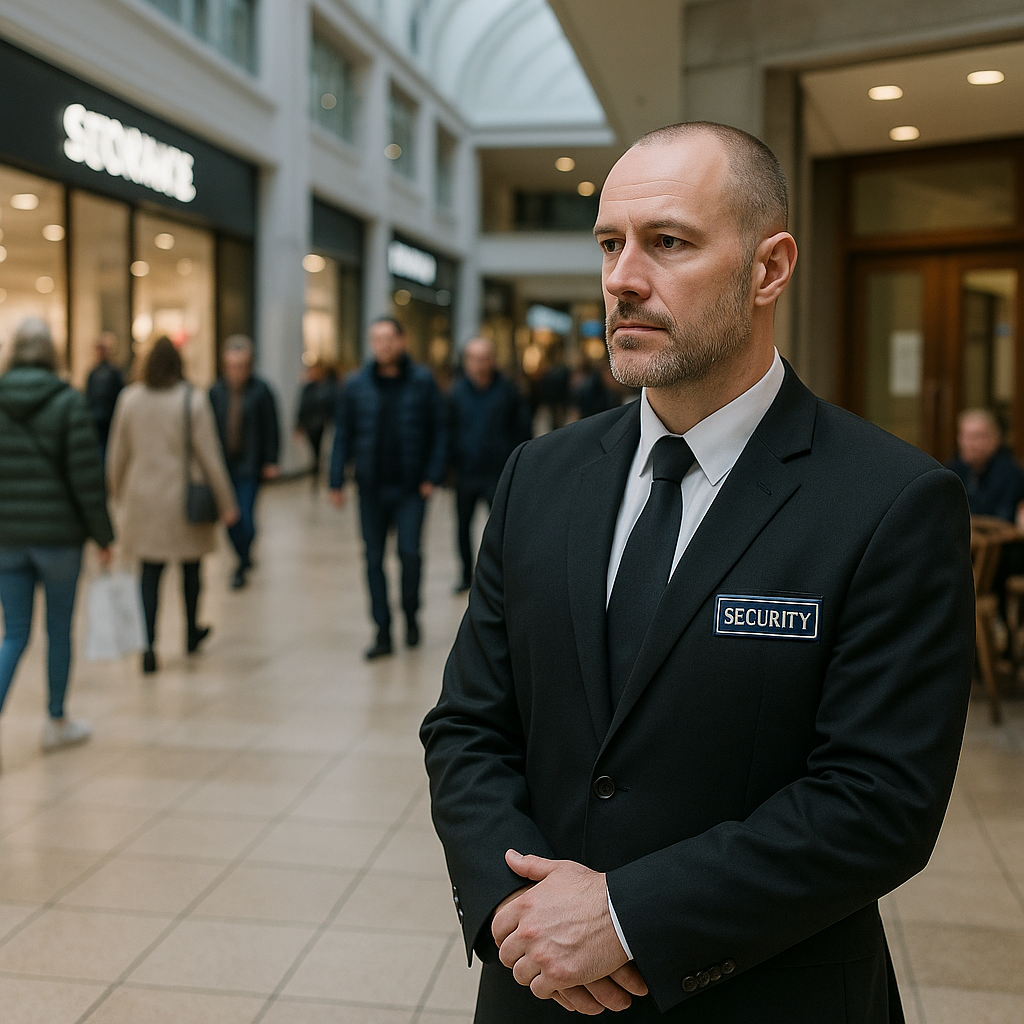
Anyone managing a busy Newcastle site – whether it’s Eldon Square, a Quayside office, or a logistics hub near the A1 – knows footfall isn’t just a number. It’s a moving risk map. The Monday morning rush, late-night shopping, matchday crowds, or even a quiet bank holiday: each brings its own security headaches. You can’t rely on a one-size-fits-all approach. Security cover Newcastle needs to flex with the real pulse of your site, not just tick a compliance box. If you get it wrong, you risk property loss, staff safety, insurance claims, and a dented reputation.
Quick Answer
Security cover in Newcastle should be matched to your site’s footfall patterns, risk profile, and operational needs. This means tailoring manned guarding, visitor management, and technology to actual peaks and lulls, not just set hours. Use site risk assessments and compliance with SIA and UK health and safety laws to guide the right mix of security services.
Why Newcastle Sites Need Tailored Security Cover
Newcastle’s mix of retail, office, leisure, and industrial sites means security risks are never static. A retail unit in Eldon Square sees different threats compared to a tech office in the Stephenson Quarter.
- Footfall patterns can swing from a trickle to a flood in minutes. Think Black Friday or a Newcastle United match.
- Security services Newcastle providers must adapt staffing, patrols, and technology to these real-world shifts, not just fixed schedules.
- Regulatory compliance – like SIA licensing, Health and Safety at Work Act, and fire safety – demands a tailored approach, not a generic presence.
If your security cover ignores these variables, you risk breaches, insurance issues, and even prosecution under UK law. That’s not scaremongering. It’s just the reality of running a public-facing site in a busy city.
Understanding Footfall Patterns and Their Impact
Every site has its own rhythm. A shopping centre’s footfall peaks on weekends, while an office block might empty out by 7 PM. Matching security to these rhythms is both an operational and legal necessity.
Types of Footfall Patterns
- Consistent footfall: Some offices or warehouses maintain steady traffic, so security scheduling can be more predictable.
- Variable peaks: Shopping centres, stadiums, or event venues see sharp spikes, needing extra cover during events or sales.
- Seasonal shifts: Universities, tourist spots, and retail parks in Newcastle often see big swings depending on time of year.
Why Footfall Matters for Security Planning
- Understaffed security during peak times increases theft, antisocial behaviour, and safety incidents.
- Overstaffing during lulls wastes money and can cause friction with tenants or management.
- Insurance providers may require proof that security matches risk exposure, especially after incidents.
Best practice: Use real footfall data (from door counters, CCTV, or Wi-Fi tracking) to plan shifts, not just guesswork or last year’s numbers.
Site Risk Assessment: The Foundation of Effective Security
No reputable security services Newcastle provider will offer a quote without a proper site risk assessment. This isn’t just paperwork – it’s a legal and operational baseline.
What a Site Risk Assessment Involves
- Identify hazards: Entry points, blind spots, poorly lit areas, asset locations.
- Assess threats: Theft, vandalism, unauthorised access, workplace violence, fire.
- Analyse footfall: Track when and where people move, and which spots get crowded or isolated.
- Review compliance: Check SIA licensing, Health and Safety at Work Act, fire safety, and insurance requirements.
- Recommend controls: Suggest manned guarding, CCTV, alarm upgrades, or access control as needed.
Compliance and Legal Requirements
- SIA Licensing: All manned security must be SIA licensed under UK law.
- Health and Safety at Work Act 1974: Requires employers to protect staff and visitors from foreseeable harm.
- Workplace (Health, Safety and Welfare) Regulations: Mandate safe access and egress.
- Fire Safety Regulations: Sites must have evacuation and incident plans.
Most insurance policies require evidence of a recent risk assessment, especially after an incident. Ignore this at your peril.
Matching Security Services to Your Site’s Needs
Once you understand your risks and footfall, you can plan the right security cover Newcastle needs.
Manned Guarding: People on the Ground
- Static guards: Fixed posts at entrances or high-risk areas.
- Patrols: Roving checks of less visible spots, stairwells, car parks, service corridors.
- Response teams: Ready to react to alarms or incidents.
Key benefit: Human presence deters crime and reassures staff and visitors. But it’s costly, so match numbers to need, not habit.
Technology: CCTV, Access Control, and Alarms
- CCTV: Modern systems use analytics to spot crowding, loitering, or unusual patterns.
- Access control: Card or biometric systems limit who enters sensitive areas.
- Intruder alarms: Protect after-hours or low-traffic times.
Tip: Integrate these systems with manned guarding for best results. Don’t rely on cameras alone – someone needs to monitor and act on alerts.
Visitor Management Systems
Especially in offices and multi-tenant buildings, visitor management is more than a sign-in sheet.
- Digital check-in: Logs all visitors, contractors, and deliveries. Tracks who’s in the building at any time.
- Badge printing: Ensures only authorised people are on site.
- Evacuation lists: Critical during fire drills or incidents.
Best practice: Combine digital visitor management with SIA-licensed reception staff for a secure, professional welcome.
Retail Security: Special Considerations
Newcastle’s shopping centres, supermarkets, and high streets have unique challenges:
- Shoplifting: Targeted during peak hours or busy sales.
- Crowd control: Especially during promotions or seasonal rushes.
- Staff protection: Lone workers or cashiers are more vulnerable out of hours.
Solution: Retail security teams blend uniformed presence, plainclothes operatives, and close liaison with local police and BID teams.
Office Security: Different Risks, Different Solutions
Offices and business parks face:
- Unauthorised access: Especially in open-plan or multi-tenant buildings.
- Data security: Physical protection of IT assets and confidential documents.
- Out-of-hours risks: Lone workers, cleaning staff, or late meetings.
Approach: Combine manned guarding, access control, and regular risk reviews. Train staff on ID badge use and visitor protocols.
Operational Models for Security Cover in Newcastle
There’s no single template for security cover Newcastle sites. The right mix depends on your sector, building layout, and budget.
Options for Service Delivery
- In-house teams: Directly employed by the business. Offers more control but higher HR and training costs.
- Contracted security providers: SIA-approved contractors handle recruitment, vetting, and compliance. Flexible and scalable.
- Integrated Facilities Management (IFM): Security bundled with cleaning, maintenance, and other soft FM services. Streamlines management and reporting.
Pros and Cons Table
| Model | Pros | Cons |
|---|---|---|
| In-house | Full control, culture fit | Costly, HR burden, less flexibility |
| Contractor | Scalable, compliance managed | Less direct control |
| IFM | Single point of contact, cost saving | Risk of diluted focus |
Most Newcastle sites opt for contracted or IFM security services, unless they’re very large or have specialist needs.
Compliance and Regulatory Considerations
UK law sets clear standards for security operations.
- SIA Licensing: All security staff, including door supervisors and CCTV operators, must hold valid SIA badges.
- Health and Safety at Work Act 1974: Requires regular risk assessments and documented safety procedures.
- Fire Safety Regulations: Emergency plans and evacuation signage must be clear and tested regularly.
- Equality Act: Security policies must not unfairly discriminate against staff or visitors.
- Data Protection (GDPR): CCTV footage and visitor logs must be stored securely and only accessed by authorised staff.
Common mistake: Assuming your contractor handles all compliance. Site managers must check accreditations, insurance, and regulatory paperwork regularly.
Monitoring, Reporting, and Continuous Improvement
Security isn’t a set-and-forget service. Newcastle’s business environment changes fast, and so do risks.
Monitoring Tools
- Incident logs: Digital or paper records of every security incident, no matter how small.
- Footfall analytics: Use data from sensors, counters, or access systems to spot trends.
- Compliance audits: Regular checks against SIA, H&S, and insurance requirements.
Reporting and Review
- Monthly reports: Track incidents, response times, and trends.
- Quarterly reviews: Adjust staffing or tech based on real data, not gut feel.
- Annual risk assessments: Update plans for new tenants, refurbishments, or operational changes.
Tip: Involve tenants, cleaning providers, and other FM partners in reviews. Security affects everyone on site.
Cost Factors in Security Cover Newcastle
Security is an investment, but it’s also a controllable cost if you plan smart.
What Drives Security Costs?
- Footfall volume: More people means more cover needed.
- Opening hours: 24/7 sites cost more to protect than 9 – 5 offices.
- Site complexity: Multiple entrances or levels increase coverage needs.
- Technology: Upfront costs for CCTV, alarms, or access control, but may reduce manned guarding hours.
- Compliance needs: SIA licensing, insurance requirements, and training all add to the bill.
Ways to Optimise Spend
- Adjust cover to real peak times, not just fixed shifts.
- Blend tech and people for best value.
- Review contracts annually to avoid overpaying for outdated risk profiles.
Warning: Cutting corners on security might save money short-term but can cost far more after an incident or insurance claim.
Integrating Security with Other Facilities Services
Security rarely stands alone. In Newcastle, integrated facilities management (IFM) is growing fast, especially for multi-use sites.
Combined Service Models
- Security and cleaning: Guards spot maintenance hazards, cleaners notice suspicious behaviour.
- Security and reception: Dual-trained staff manage access and welcome visitors.
- Security and waste management: Out-of-hours waste removal needs security escorts or checks.
Benefits of Integration
- Fewer contractors to manage.
- Shared incident reporting.
- Better communication between teams.
Best practice: Choose IFM providers with a strong local track record in Newcastle. Ask for references and compliance evidence.
Industry Trends and Innovations in Newcastle Security
Security isn’t standing still. Newcastle sites are adopting new approaches to match changing threats and operating models.
Current Trends
- Remote monitoring: Control rooms monitor multiple sites, dispatching mobile response as needed.
- AI-powered CCTV: Identifies unusual crowding, loitering, or abandoned items.
- Mobile patrols: Flexible cover for retail parks, business parks, or construction sites.
- Touchless access control: Reduces friction at entrances, especially post-pandemic.
Sustainability and Social Value
- Low-energy lighting and cameras: Reduces carbon footprint.
- Local employment: Many Newcastle contracts require local hires or apprenticeships.
- Community engagement: Security teams work with local police, BIDs, and charities to reduce antisocial behaviour.
Best Practices for Managing Security Cover in Newcastle
- Always start with a current site risk assessment.
- Use real footfall data to plan shifts and cover.
- Check all staff are SIA licensed and trained for your site type.
- Review contracts, technology, and procedures yearly – or after any major incident.
- Involve other FM partners in security planning and reviews.
- Document everything: incidents, patrols, visitor logs, compliance checks.
Frequently Asked Questions
What is the best way to match security cover to footfall patterns?
Use real-time footfall data from sensors or entry systems to identify peak and quiet periods. Schedule manned guarding and patrols to cover busy times, and use technology like CCTV and access control for off-peak periods. Regularly review and adjust based on actual site usage.
What regulations must security services in Newcastle follow?
Security providers and staff must comply with SIA licensing, the Health and Safety at Work Act 1974, fire safety regulations, and data protection laws. All security personnel must be vetted and trained according to UK standards.
How does a site risk assessment work?
A site risk assessment involves:
1. Identifying hazards and entry points
2. Assessing likely threats and vulnerabilities
3. Reviewing footfall patterns and site usage
4. Checking compliance with UK law
5. Recommending controls like manned guarding, CCTV, or access control
What are the main types of security services for Newcastle sites?
Common options include manned guarding, mobile patrols, CCTV monitoring, access control systems, visitor management, and integrated FM security. Choice depends on site type, risk, and budget.
How can I reduce security costs without increasing risk?
Optimise shift patterns using footfall data, blend technology with staff cover, and review contracts and risk assessments annually. Avoid blanket cuts that ignore risk profile changes.
What’s the difference between retail security and office security?
Retail security focuses on theft prevention, crowd management, and staff safety during trading hours. Office security prioritises access control, data protection, and lone worker safety, often outside of normal hours.
Are visitor management systems necessary for all sites?
Digital visitor management is recommended for most office and multi-tenant properties. It improves access control, emergency roll calls, and compliance with health and safety regulations.
How often should I review my security arrangements?
Best practice is to conduct annual risk assessments and quarterly reviews of incidents, staffing, and technology. Review immediately after any major incident or operational change.
Can security be integrated with other FM services?
Yes, many Newcastle sites use integrated facilities management, combining security with cleaning, reception, and maintenance. This streamlines reporting, compliance, and operational efficiency.
What qualifications must security staff hold?
All manned security staff in the UK must hold a valid SIA licence. Additional training may be required for CCTV operation, first aid, or customer service, depending on the site.
What should be included in a security incident report?
A report should note the date, time, location, people involved, incident details, actions taken, and follow-up required. Keep records for compliance and insurance purposes.
How does security cover affect insurance for my property?
Insurers often require evidence that security measures match the site’s risk profile. Inadequate cover can lead to higher premiums or rejected claims after an incident.
Conclusion
Matching security cover to footfall and risk isn’t just good practice for Newcastle sites – it’s a legal, operational, and reputational necessity. Using live data, proper risk assessments, and a blend of technology and trained staff, you can protect people, property, and brand. Regular reviews, compliance checks, and integration with other FM services all help keep your security fit for purpose as Newcastle’s business environment evolves.