
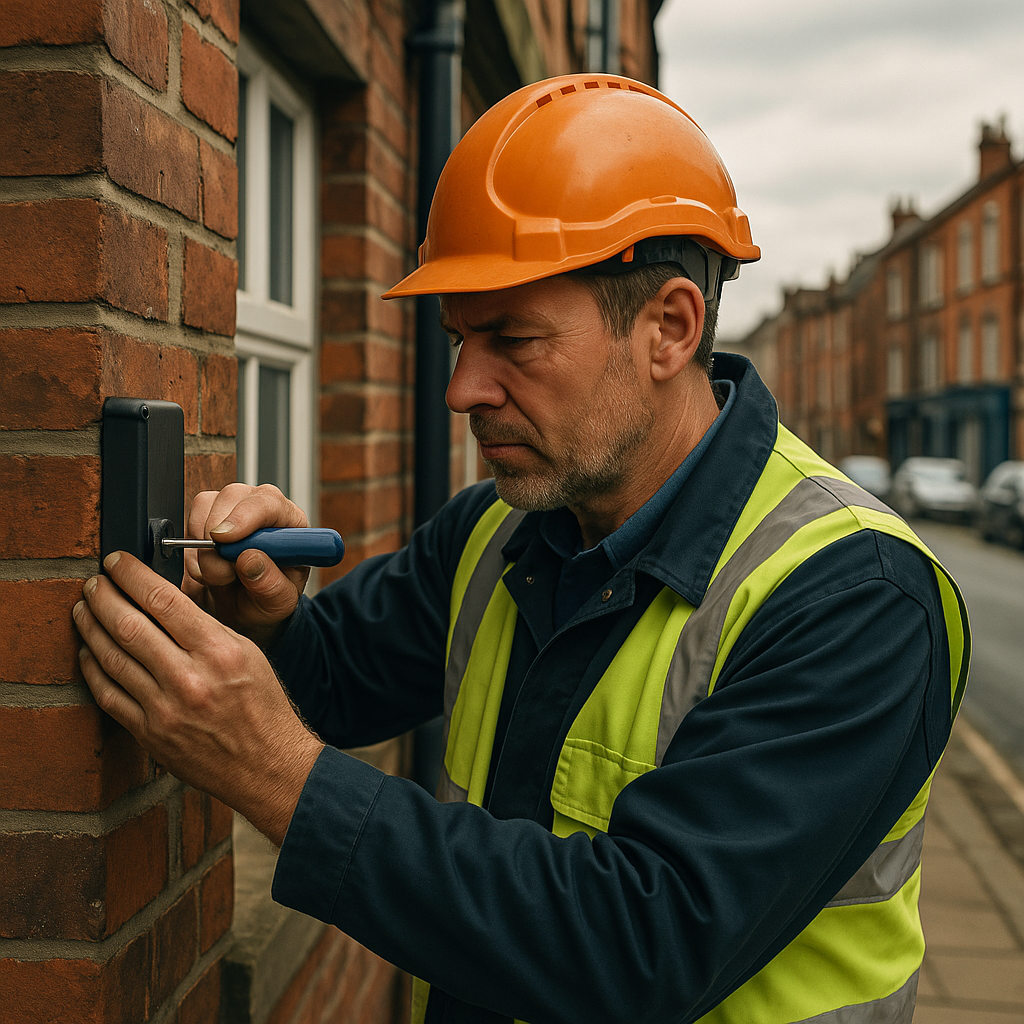
Building maintenance Leeds is a critical component for ensuring the longevity, safety, and efficiency of commercial properties across the city. For property managers, business owners, and facility operators, understanding the nuances of building upkeep Leeds entails is essential to meet compliance, reduce risks, and optimise operational continuity.
Understanding Building Maintenance Leeds
Building maintenance involves the routine and corrective measures taken to preserve the functionality, safety, and appearance of commercial properties. In Leeds, this encompasses a range of services including property maintenance Leeds, repair services UK, and ongoing building upkeep Leeds. These services ensure that structures comply with UK regulations and remain fit for purpose.
What Does Building Maintenance Encompass?
- Planned Maintenance: Scheduled inspections and servicing to prevent breakdowns.
- Reactive Repair Services: Addressing unforeseen damages or faults promptly.
- Compliance Audits: Ensuring alignment with Health & Safety at Work Act 1974, COSHH, and Workplace Regulations.
- Environmental Management: Waste disposal adhering to the Duty of Care and Environmental Protection Act.
UK Industry & Compliance Landscape
Commercial property maintenance in Leeds must align with strict UK regulatory standards. Key frameworks include:
- Health & Safety at Work Act 1974: Mandates safe working environments.
- COSHH Regulations: Controls hazardous substances within premises.
- Workplace (Health, Safety & Welfare) Regulations: Covers ventilation, lighting, and sanitary facilities.
- Duty of Care (Waste Regulations): Obligates responsible waste management.
Non-compliance can lead to legal penalties and operational disruptions, making adherence a priority.
Core Aspects of Building Maintenance Leeds
Benefits
- Risk Reduction: Minimises accidents and property damage.
- Cost Efficiency: Planned maintenance reduces expensive emergency repairs.
- Operational Continuity: Maintains business uptime by preventing breakdowns.
Use Cases by Industry
| Industry | Maintenance Focus |
|---|---|
| Retail | HVAC system upkeep, security services |
| Construction | Equipment maintenance, safety compliance |
| Corporate | Cleaning services, security, IT infrastructure |
| Healthcare | Hygiene compliance, specialized equipment repair |
Operational Workflows
- Initial property assessment
- Risk and compliance audit
- Maintenance scheduling (planned/reactive)
- Execution by certified technicians
- Documentation and reporting
Challenges & Mitigation
- Aging Infrastructure: Implement phased upgrades.
- Regulatory Complexity: Regular training and compliance audits.
- Budget Constraints: Prioritise critical maintenance.
Importance for UK Businesses
Effective building maintenance Leeds ensures:
- Compliance Assurance: Meets regulatory standards.
- Risk Mitigation: Protects staff and visitors.
- Cost Control: Avoids costly emergency repairs.
- Sustainability: Supports environmental responsibility.
How to Choose the Right Maintenance Company UK
Key Evaluation Criteria
- Relevant certifications (e.g., SIA, ISO, BICSc)
- Proven experience in sector-specific maintenance
- Capability to scale services regionally and nationally
- Use of technology for real-time reporting and monitoring
Operational & Compliance Considerations
- Strict adherence to Health & Safety protocols
- Comprehensive staff training and valid certifications
- Data protection policies for sensitive operational information
- Environmental compliance and waste management
Common Misconceptions
-
Myth: Reactive maintenance is cheaper than planned.
Reality: Planned maintenance reduces long-term costs. -
Myth: All maintenance companies offer the same quality.
Reality: Certified and experienced providers deliver better compliance and outcomes. -
Myth: Building maintenance is only about repairs.
Reality: It includes compliance, hygiene, security, and environmental management.
Frequently Asked Questions
What is building maintenance Leeds?
Building maintenance Leeds refers to the comprehensive upkeep and repair of commercial properties in Leeds, ensuring safety, compliance, and operational efficiency.
Why is building maintenance important for UK businesses?
It reduces risks, ensures compliance with UK regulations, maintains operational continuity, and controls costs associated with emergency repairs.
How often should building maintenance be conducted?
A combination of planned scheduled maintenance and reactive repair services ensures optimal building performance and compliance.
What certifications should a maintenance company have?
Look for SIA, ISO, BICSc certifications, and adherence to UK Health & Safety standards.
Are environmental regulations part of building maintenance?
Yes, proper waste management and environmental compliance are integral to responsible building upkeep.
How does technology impact building maintenance?
Technology enables real-time monitoring, predictive maintenance, and detailed reporting, enhancing efficiency and compliance.
Can building maintenance help with regulatory audits?
Yes, regular maintenance and documentation support successful compliance audits under UK legislation.
Emerging Trends in UK Facilities & Security Industry
- AI & Automation: Smart sensors for predictive maintenance.
- Integrated Service Models: Combining security, cleaning, and maintenance for streamlined operations.
- Sustainability & ESG: Focus on eco-friendly materials and energy efficiency.
Conclusion
Building maintenance Leeds is a multifaceted discipline essential for UK commercial property success. By understanding regulatory requirements, operational workflows, and emerging trends, businesses can ensure compliance, reduce risks, and maintain cost-effective building environments. A structured, informed approach to building upkeep Leeds supports long-term operational resilience and sustainability.
For more information on related services, consider exploring Security Services, Facilities Management, and Cleaning Services offered within the UK facilities management landscape.