
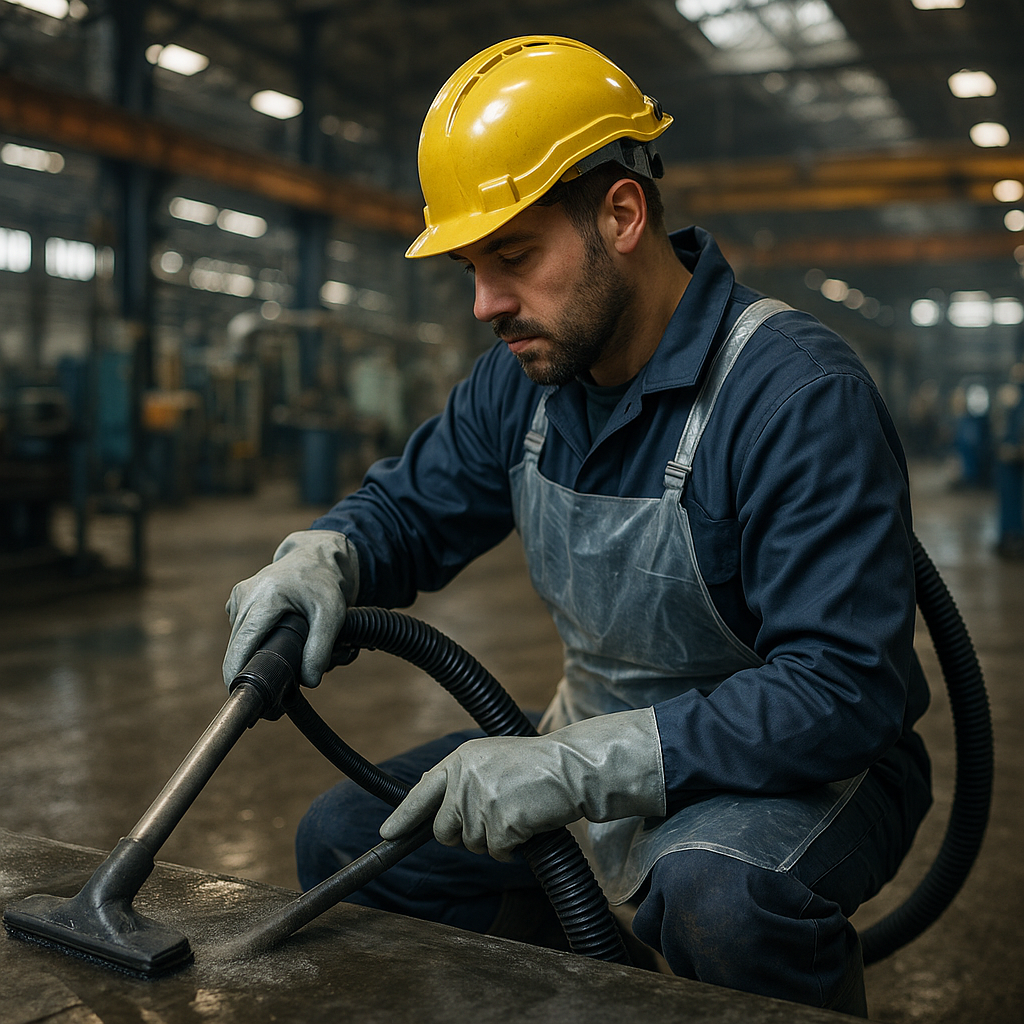
Industrial cleaning Birmingham is a critical service for maintaining hygiene, safety, and operational efficiency within UK industrial environments. This comprehensive guide explores the scope, regulatory requirements, and best practices of industrial cleaning services in Birmingham and across the UK.
Understanding Industrial Cleaning Birmingham
Industrial cleaning refers to specialised cleaning services tailored for factories, warehouses, manufacturing plants, and other large-scale commercial facilities. These services go beyond routine cleaning, incorporating deep cleaning Birmingham operations that target complex machinery, hazardous materials, and large surface areas.
Key Concepts in Industrial Cleaning
- Factory Cleaning UK: Focuses on cleaning industrial production facilities to reduce contamination and maintain equipment.
- Deep Cleaning Birmingham: Intensive cleaning processes addressing areas often neglected during standard cleaning, such as ventilation systems and production lines.
- Industrial Hygiene UK: Practices aimed at controlling environmental factors that may affect worker health.
- Cleaning Contractors Birmingham: Professional service providers specialising in industrial and commercial cleaning within the Birmingham area.
UK Industry and Compliance Landscape for Industrial Cleaning
Industrial cleaning in the UK is governed by several regulatory frameworks to ensure health, safety, and environmental compliance:
- Health & Safety at Work Act 1974: Requires employers to ensure safe working environments, including cleanliness standards.
- COSHH Regulations: Control of Substances Hazardous to Health mandates safe handling and cleaning of hazardous materials.
- Workplace (Health, Safety & Welfare) Regulations: Enforce standards for workplace cleanliness and facilities.
- BICSc Standards: The British Institute of Cleaning Science sets industry best practices.
- Environmental Protection Act & Waste Regulations: Regulate waste disposal and environmental impact from cleaning operations.
Compliance audits and risk management are essential for businesses to avoid penalties and ensure operational continuity.
Core Components of Industrial Cleaning Birmingham
Benefits
- Health and Safety: Reduces workplace hazards and exposure to harmful substances.
- Operational Efficiency: Clean equipment performs better and reduces downtime.
- Regulatory Compliance: Helps meet legal obligations under UK law.
- Cost Efficiency: Prevents costly repairs and prolongs asset life.
Use Cases by Industry
- Retail: Maintaining clean storage and distribution warehouses.
- Construction: Post-construction deep cleaning to remove debris and contaminants.
- Corporate: Cleaning industrial kitchens and maintenance areas.
- Healthcare: Sterile cleaning for pharmaceutical manufacturing and medical equipment.
Operational Workflows
- Initial site assessment and hazard identification.
- Development of a tailored cleaning plan.
- Deployment of specialised equipment and trained staff.
- Waste disposal following environmental regulations.
- Compliance documentation and reporting.
Challenges and Mitigation
- Managing hazardous substances safely.
- Minimising disruption to operations.
- Ensuring staff are fully trained and certified.
- Keeping up with evolving regulations.
Importance of Industrial Cleaning Birmingham for UK Businesses
Proper industrial cleaning reduces risks related to workplace injuries, contamination, and regulatory breaches. It supports business continuity by preventing equipment failure and enhances corporate reputation through visible commitment to health and safety.
How to Choose the Right Industrial Cleaning Service Provider
Key Evaluation Criteria
- Certifications: Look for SIA, ISO standards, and BICSc accreditation.
- Experience: Proven track record in handling similar industrial environments.
- Scalability: Ability to manage large or multiple sites.
- Technology: Use of advanced cleaning equipment and reporting tools.
Operational and Compliance Considerations
- Staff training in health & safety and COSHH.
- Data protection compliance if handling sensitive information.
- Environmental responsibility in waste management.
Common Misconceptions about Industrial Cleaning
- Myth: Industrial cleaning is just about aesthetics.
Reality: It is critical for safety, compliance, and operational efficiency. - Myth: All cleaning contractors offer the same service quality.
Reality: Certification and experience vary widely. - Myth: Deep cleaning is only needed occasionally.
Reality: Regular deep cleaning is essential for compliance and risk reduction.
Frequently Asked Questions
What is industrial cleaning?
Industrial cleaning involves specialised cleaning of factories and large commercial facilities to ensure hygiene, safety, and compliance.
Why is deep cleaning important in Birmingham industries?
Deep cleaning removes contaminants that regular cleaning misses, reducing health risks and equipment failures.
How do cleaning contractors in Birmingham ensure compliance?
They follow UK regulations like COSHH, BICSc standards, and conduct risk assessments.
What are typical costs for factory cleaning UK services?
Costs vary based on site size, complexity, and frequency but investing in professional cleaning reduces long-term expenses.
Is industrial hygiene part of cleaning services?
Yes, it includes controlling environmental factors to protect worker health.
How often should industrial cleaning be performed?
Frequency depends on industry type, but regular schedules with periodic deep cleaning are recommended.
What emerging trends affect industrial cleaning?
Adoption of AI, automation, integrated service models, and sustainability initiatives.
Emerging Trends in UK Facilities and Security Industry
- Technology Adoption: Use of AI and automation for efficient cleaning and monitoring.
- Integrated Service Models: Combining cleaning, security, and maintenance for streamlined management.
- Sustainability: Emphasis on eco-friendly cleaning products and waste reduction aligned with ESG goals.
Conclusion
Industrial cleaning Birmingham plays a vital role in UK commercial and industrial environments, ensuring compliance, safety, and operational efficiency. Businesses benefit from understanding regulatory frameworks, selecting qualified cleaning contractors, and adopting best practices for hygiene and maintenance. A structured, compliance-aligned approach to industrial cleaning supports risk mitigation and sustainable operations across industries.
For more insights on facilities management and cleaning services, explore TTSFM’s Facilities Management and Cleaning Services pages.