
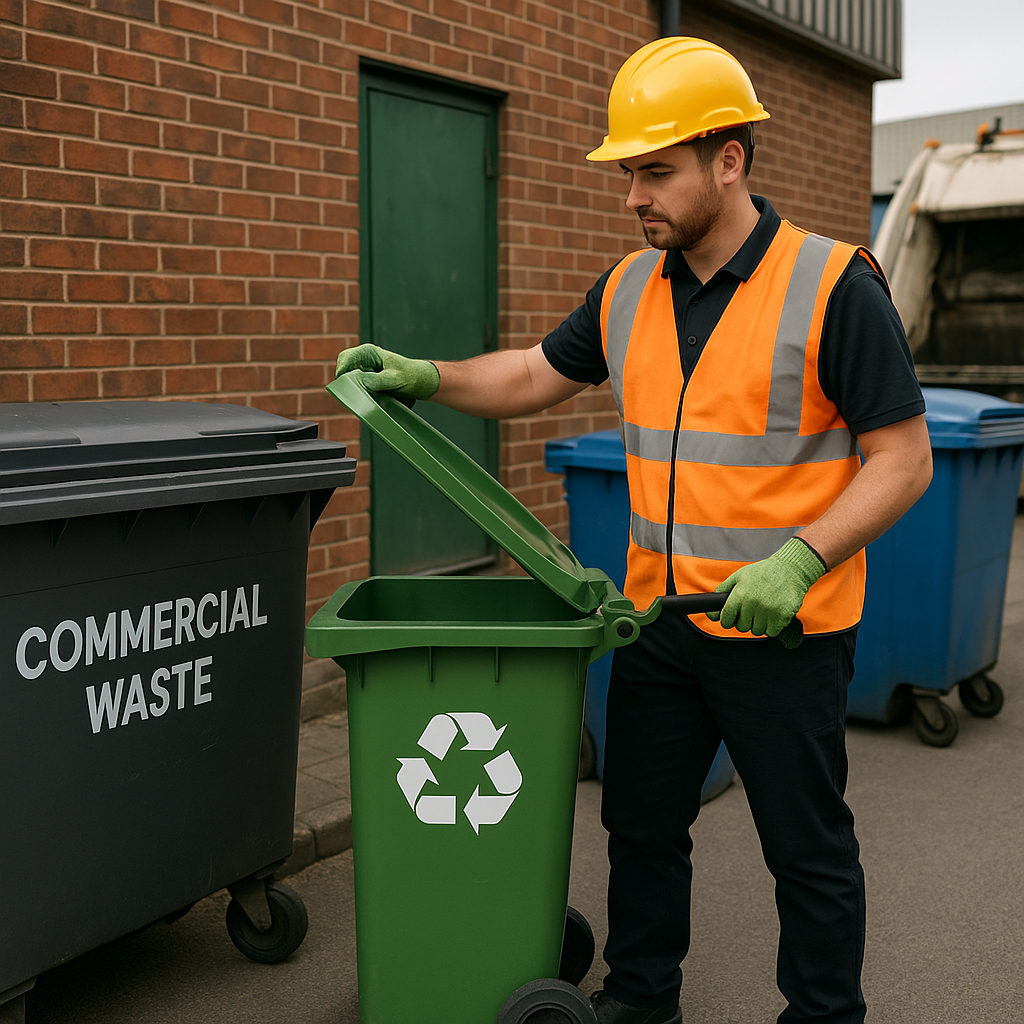
Waste disposal Birmingham is a critical aspect of commercial operations, ensuring that businesses comply with UK regulations while maintaining efficient and sustainable waste management practices. Proper waste disposal directly impacts environmental responsibility, cost efficiency, and operational continuity for commercial properties and facilities.
Understanding Waste Disposal in Birmingham
Waste disposal in Birmingham encompasses the collection, treatment, recycling, and final disposal of commercial waste generated by businesses. This service is essential for compliance with UK environmental laws and for supporting the city’s sustainability goals.
What Constitutes Commercial Waste UK?
Commercial waste refers to waste produced by businesses, including retail outlets, offices, healthcare facilities, construction sites, and manufacturing plants. It excludes household waste and is subject to specific disposal and recycling regulations under UK law.
Why Waste Disposal Birmingham Matters for Businesses
Efficient waste disposal ensures businesses avoid legal penalties, reduce environmental impact, and align with corporate social responsibility (CSR) objectives. It also supports operational efficiency by streamlining waste handling and minimizing disruptions.
UK Industry and Compliance Landscape for Waste Services UK
Regulatory Requirements
- Duty of Care (Waste Regulations 2011): Businesses must ensure waste is managed responsibly from production to final disposal.
- Environmental Protection Act 1990: Governs waste management to prevent pollution and harm to public health.
- Health & Safety at Work Act 1974: Requires safe handling and disposal of waste to protect employees.
- COSHH Regulations: Control hazardous substances, including certain waste types.
Compliance with these regulations is mandatory for all commercial entities managing waste in Birmingham and across the UK.
Risk and Compliance Obligations
Non-compliance risks include fines, environmental damage, and reputational harm. Businesses must maintain accurate waste transfer documentation and ensure waste carriers are licensed.
Operational Challenges
- Segregating recyclable from non-recyclable waste
- Managing hazardous waste safely
- Coordinating timely collections to avoid operational disruptions
- Keeping abreast of evolving regulations and environmental standards
Core Benefits of Professional Waste Disposal Birmingham Services
- Regulatory Compliance: Ensures adherence to UK waste disposal laws.
- Environmental Sustainability: Supports recycling Birmingham initiatives reducing landfill use.
- Cost Efficiency: Optimises waste handling and reduces disposal costs.
- Operational Continuity: Minimises waste-related interruptions.
Use Cases by Industry
| Industry | Waste Disposal Needs | Key Considerations |
|---|---|---|
| Retail | Packaging waste, unsold stock | Recycling, compacting, frequent collections |
| Construction | Hazardous waste, rubble, packaging | COSHH compliance, bulky waste management |
| Corporate | Office waste, confidential documents | Secure disposal, recycling programmes |
| Healthcare | Clinical waste, pharmaceuticals | Specialist disposal, strict regulatory compliance |
Operational Workflows for Waste Disposal Birmingham
- Waste Audit: Assessing waste types and volumes.
- Segregation: Separating recyclables, hazardous, and general waste.
- Collection Scheduling: Coordinating timely pickups with licensed carriers.
- Documentation: Maintaining waste transfer notes and compliance records.
- Disposal/Recycling: Processing waste per regulatory and environmental standards.
Challenges and Mitigation Strategies
- Challenge: Inconsistent waste segregation
- Mitigation: Staff training and clear onsite signage
- Challenge: Managing hazardous waste
- Mitigation: Employ certified hazardous waste specialists
- Challenge: Compliance with evolving regulations
- Mitigation: Regular compliance audits and updates
Importance of Waste Disposal Birmingham for UK Businesses
Risk Reduction
Proper waste disposal minimises environmental risks and liability for businesses.
Compliance Assurance
Ensures adherence to UK laws, avoiding fines and legal actions.
Operational Continuity
Reduces disruptions caused by waste accumulation or improper handling.
Cost Efficiency
Optimises waste management costs through recycling and efficient disposal methods.
How to Choose the Right Waste Disposal Service Provider
- Certifications: Verify ISO standards, waste carrier licenses, and environmental accreditations.
- Experience: Look for providers with proven track records in commercial waste UK.
- Technology: Preference for firms offering digital reporting and real-time tracking.
- Scalability: Ability to handle varying volumes and waste types.
Internal links to Facilities Management, Cleaning Services, and Security Services highlight integrated service benefits.
Operational and Compliance Considerations
- Health & Safety: Ensure all staff are trained in safe waste handling and COSHH compliance.
- Staff Training & Certifications: Regular updates on waste regulations.
- Data Protection: Secure disposal of confidential waste, including digital data carriers.
- Environmental Responsibility: Commitment to recycling Birmingham initiatives and reducing landfill.
Common Misconceptions about Waste Disposal
- Myth: All waste can be disposed of together.
- Reality: Segregation is mandatory for compliance and recycling.
- Myth: Recycling is optional for businesses.
- Reality: Recycling targets and regulations require active participation.
- Myth: Waste disposal is a minor operational concern.
- Reality: It impacts compliance, costs, and sustainability.
Frequently Asked Questions
What is waste disposal Birmingham?
Waste disposal Birmingham refers to the management and lawful disposal of commercial waste generated by businesses in Birmingham.
Why is compliance important in waste disposal UK?
Compliance ensures businesses meet legal obligations, avoid penalties, and protect the environment.
How can businesses improve recycling in Birmingham?
By segregating waste, partnering with certified recyclers, and educating staff on recycling practices.
What are the costs associated with commercial waste disposal?
Costs vary based on waste type, volume, and disposal methods but optimising segregation and recycling can reduce expenses.
Is hazardous waste disposal different from general waste?
Yes, hazardous waste requires specialist handling, storage, and disposal to comply with COSHH and environmental regulations.
How often should commercial waste be collected?
Frequency depends on business size and waste volume; regular scheduling prevents operational disruption.
What emerging trends affect waste disposal in UK facilities?
Technologies like AI for waste sorting, integrated service models, and increased focus on sustainability and ESG.
Emerging Trends in UK Facilities and Security Industry
- Technology Adoption: AI-driven waste sorting and smart monitoring improve efficiency.
- Integrated Service Models: Combining waste disposal with security and facilities management enhances operational synergy.
- Sustainability & ESG: Growing emphasis on reducing carbon footprint and aligning with environmental goals.
Conclusion
Waste disposal Birmingham is a vital element of commercial operations, balancing compliance, environmental responsibility, and operational efficiency. UK businesses must adopt structured waste management frameworks to meet legal requirements and support sustainability. By selecting qualified providers, investing in staff training, and embracing emerging technologies, organisations can optimise waste services UK while safeguarding their operational continuity and reputation.